Useful views
Entrances, registers, deliveries, common areas, and parking—planned for the property and its privacy needs.

ON-SITE SYSTEMS
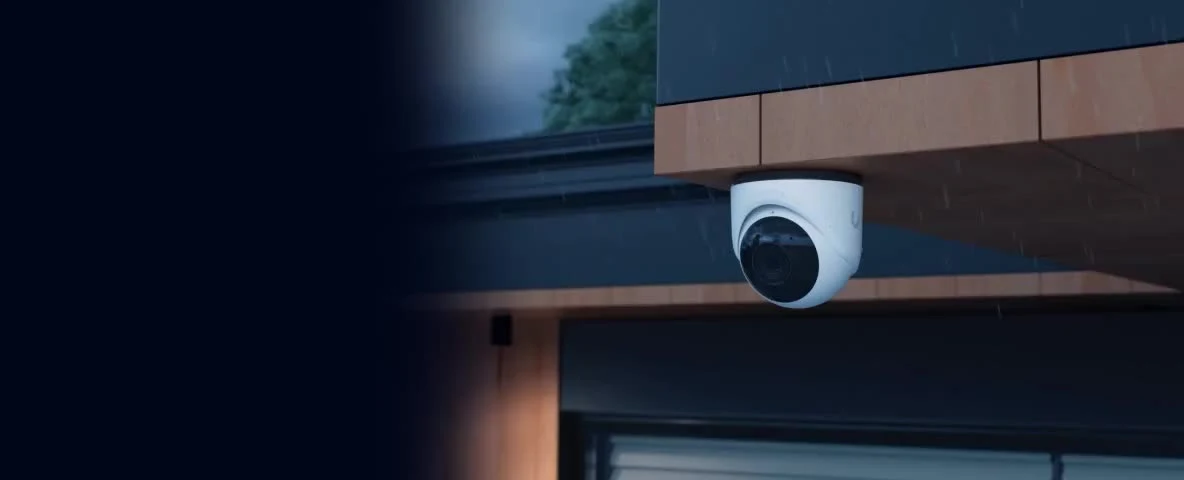
Camera systems built around useful visibility, faster review, and the places your business needs to keep an eye on.
DESIGNED AROUND THE OPERATION
A delivery at the back door. A question about a handoff. A vehicle in the parking lot. Supported AI search lets you describe what you’re looking for and narrow down relevant recorded events.
We plan camera positions, recording coverage, and retention together. For register review, your managers can compare a known time in Toast with footage of the area, without assuming an automatic transaction integration.
WHAT WE TAKE OFF YOUR PLATE
Entrances, registers, deliveries, common areas, and parking—planned for the property and its privacy needs.
Person and vehicle detections, with everyday-language search on supported systems. Results still need human review.
Agree retention needs, permissions, remote viewing, and how managers retrieve or export an incident.
A FAIR QUESTION
Search depends on the selected equipment, recording settings, retained footage, and what the camera can actually see. We demonstrate the agreed capabilities before handover.
THE RIGHT VIEW FOR THE JOB
We choose the camera around the scene, not the other way around. Here are the main styles we can build into your system.
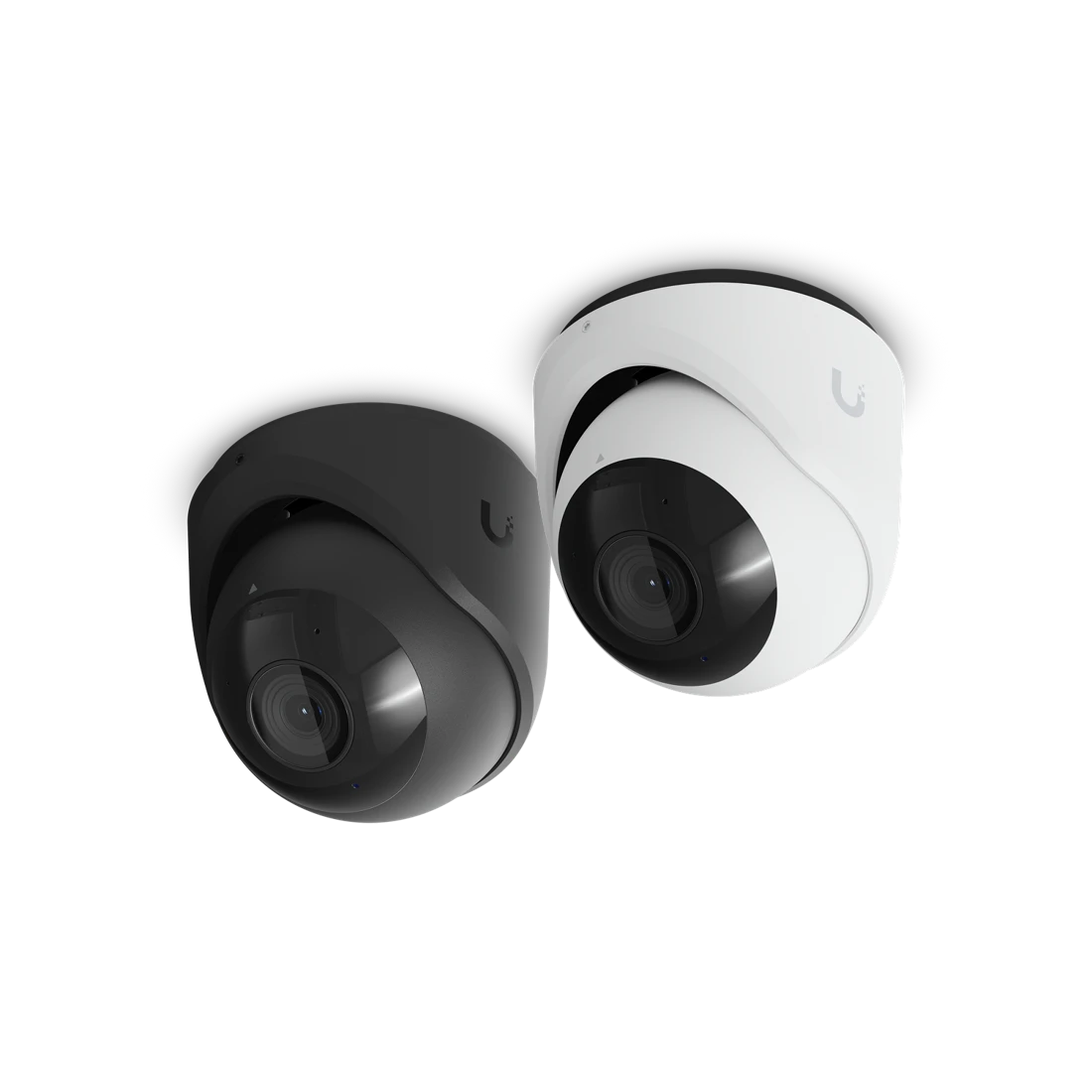
Low-profile coverage for everyday spaces.
A flexible choice for dining rooms, corridors, covered entries, and exterior views. The lens is positioned during installation, with night vision and smart detections on supported models.
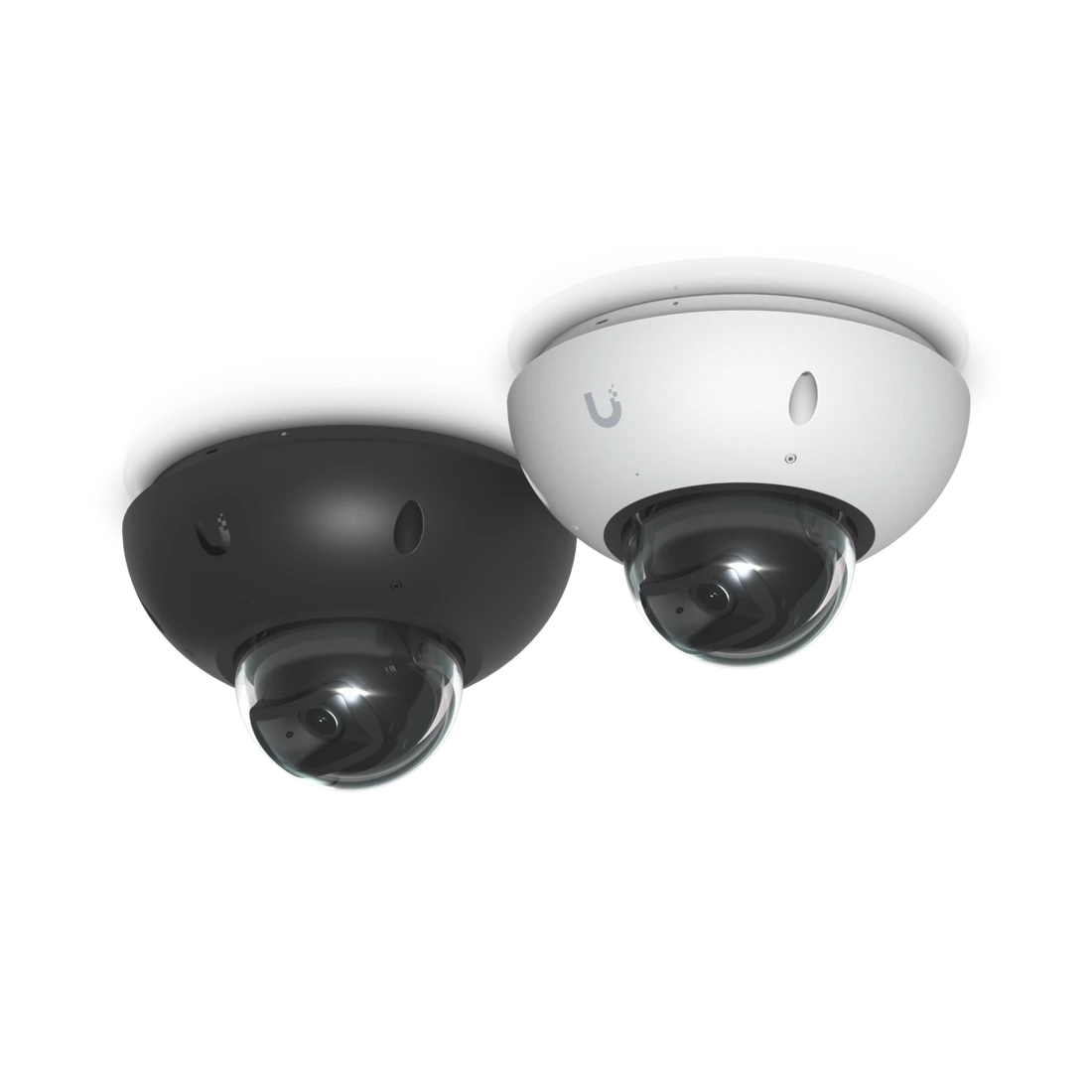
A more protected lens in a busy environment.
The enclosed design helps resist tampering. Useful for lower mounting points, common areas, and places where the camera may be within reach. We select the enclosure and weather rating for the location.
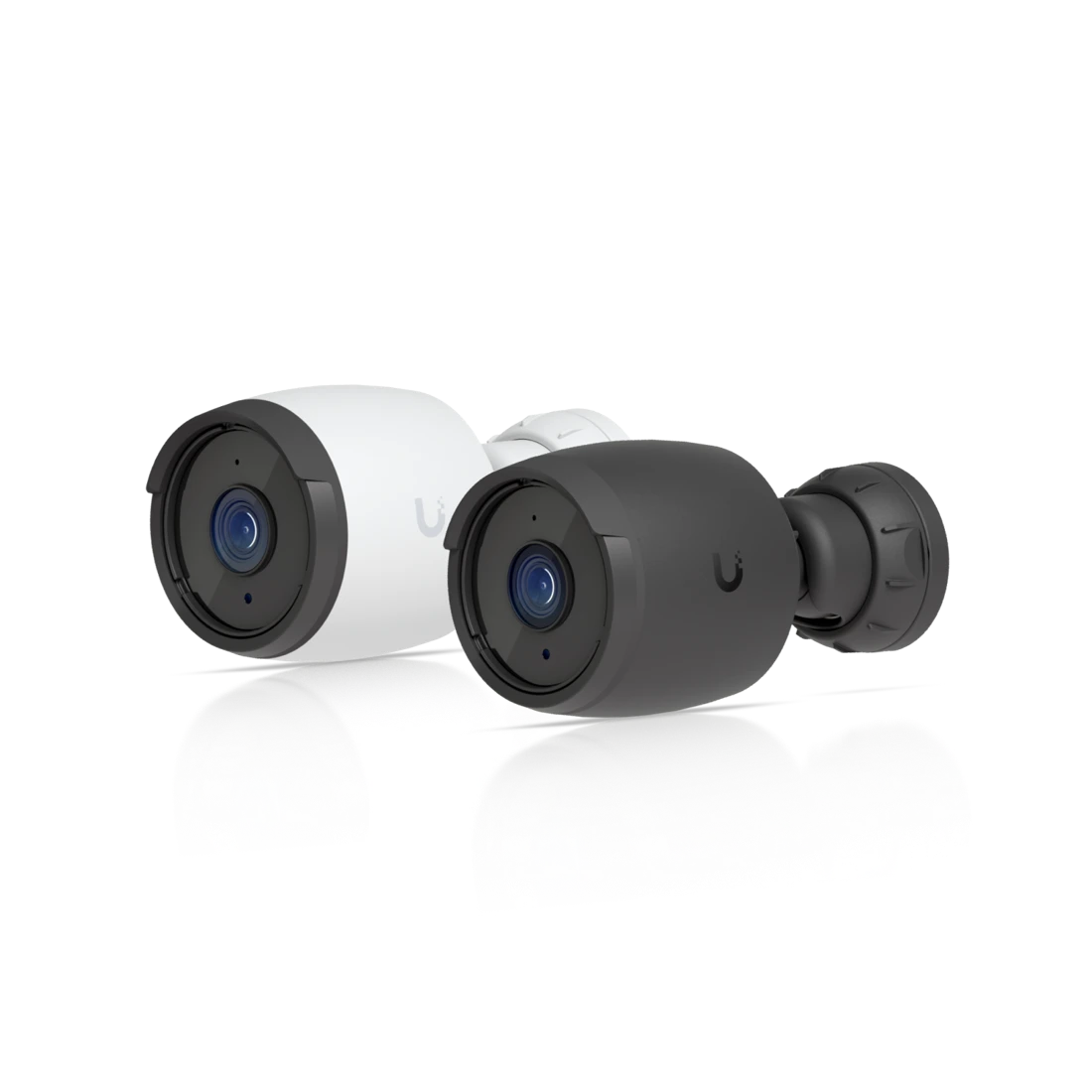
A deliberate view of a specific area.
A useful fit for entrances, delivery lanes, building edges, and parking views. Mounting height, lens choice, lighting, and the distance to the subject all affect the detail you can capture.
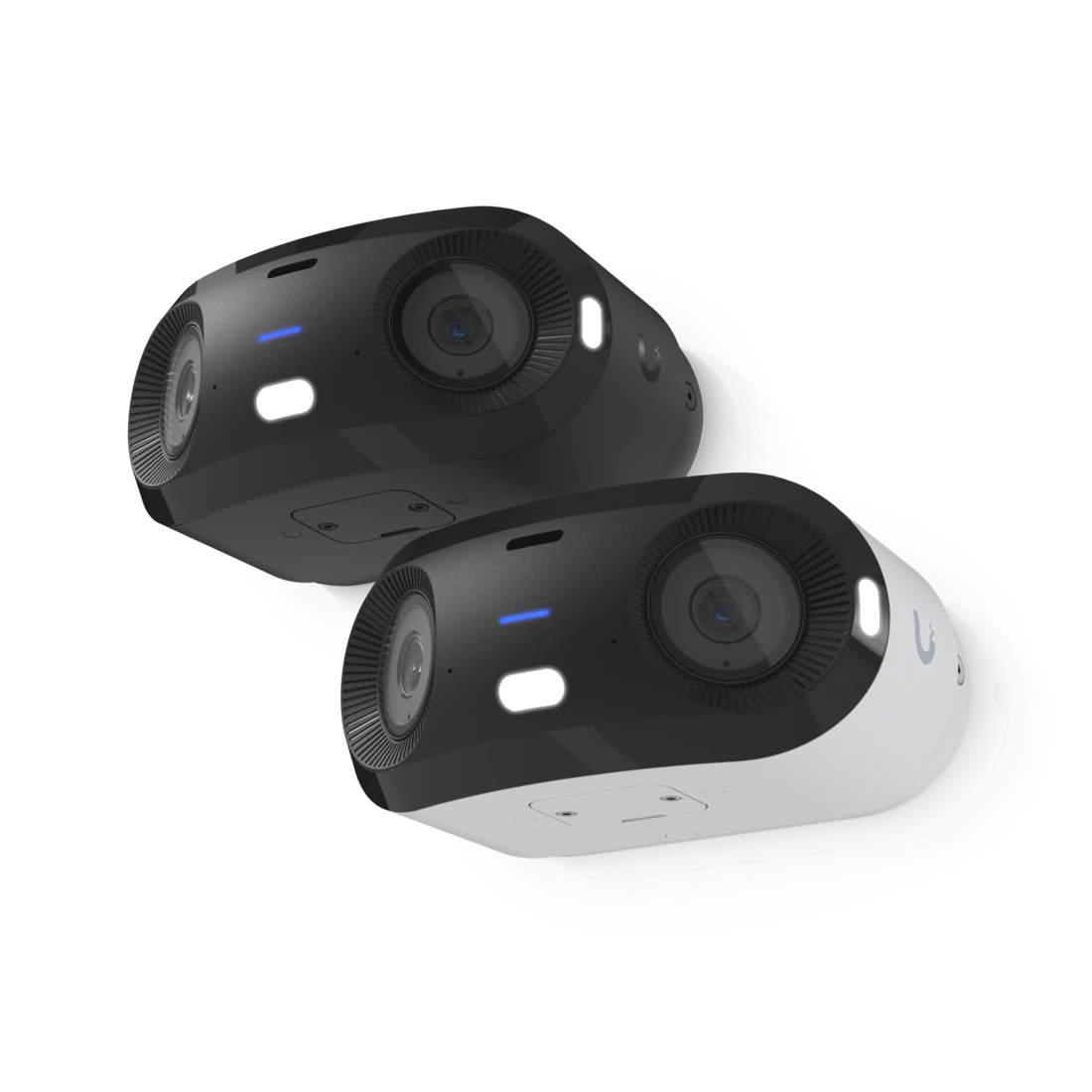
More of the scene in one view.
Wide-angle and multi-sensor options help cover larger shared spaces. A broader view can provide context, while a second camera may still be needed for close identification at a doorway or register.
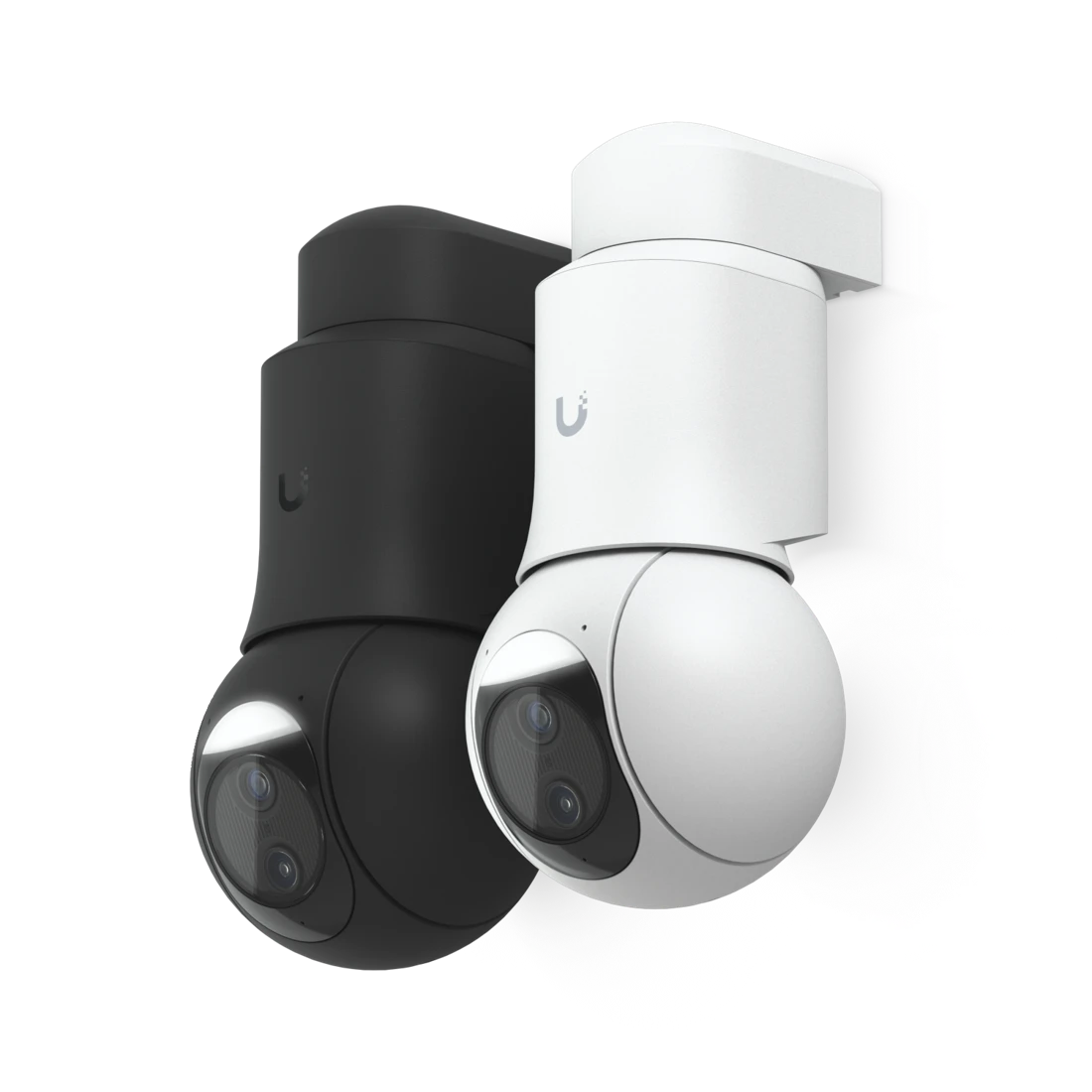
Look closer when the scene calls for it.
Move the view and zoom toward an area of interest on supported models. Useful for larger exterior areas. A moving camera sees where it is pointed, so we keep fixed coverage where a continuous view matters.
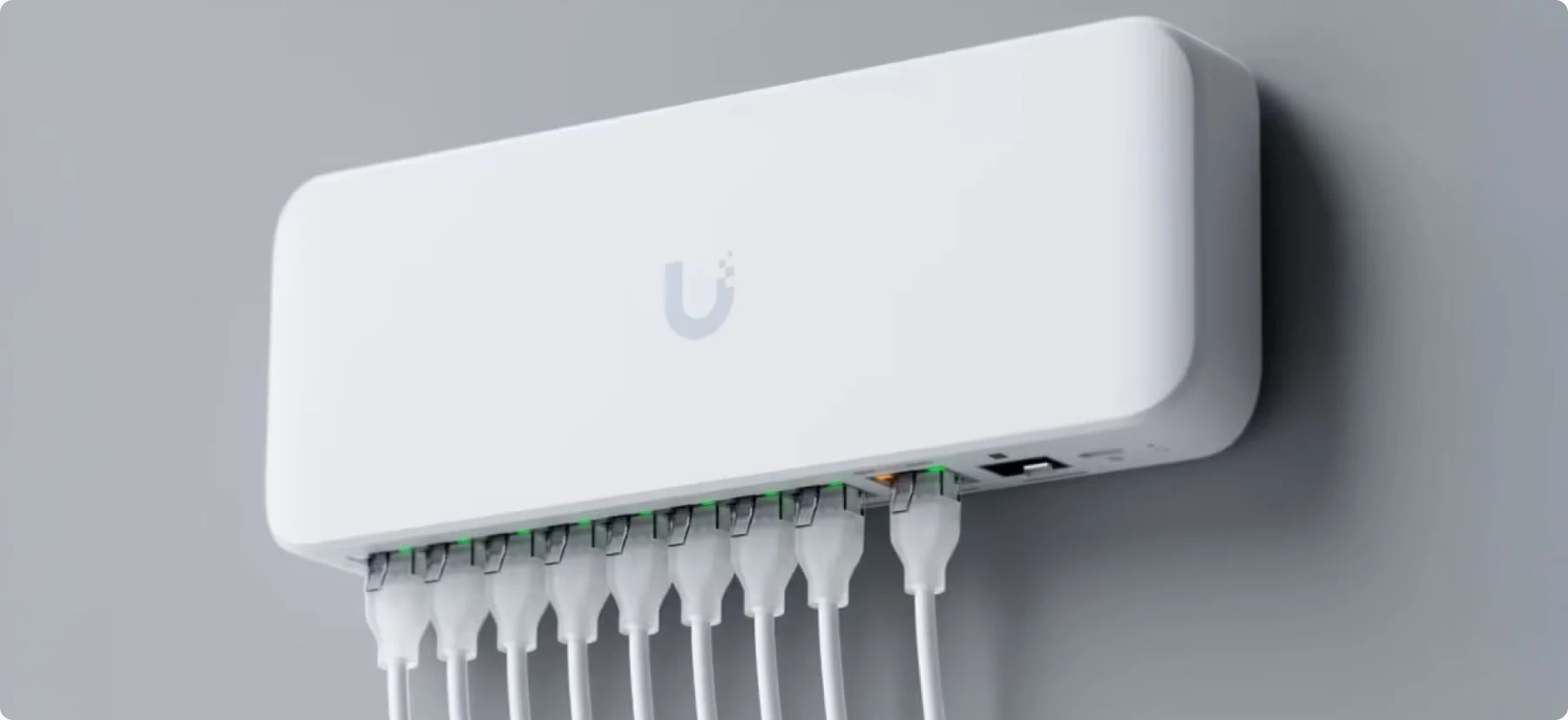
YOUR FOOTAGE. AT YOUR PROPERTY.
Our core camera platform records to equipment at your property. You are not paying a recurring per-camera software license or a mandatory cloud-storage subscription simply to record and review footage.
Equipment, storage drives, installation, and Shorebreak’s maintenance agreement are separate costs. Optional off-site archiving or other third-party services, if requested, are scoped separately.
RETENTION IS PLANNED, NOT ASSUMED
A guest dispute, an incident report, a delivery question, or a concern discovered weeks later can call for different retention targets. We agree what you need before choosing storage.
The number of cameras, image quality, frame rate, scene activity, and recording mode all affect storage. We work backward from the target and confirm the practical tradeoffs.
Continuous recording gives you the full timeline. Event-based recording prioritizes triggered activity. Different areas can use different settings, depending on what must be captured.
An incident clip can be exported and preserved before the rolling recording window expires. We show the agreed managers how to find and save the footage they need.
A CLEARER STORAGE PLAN
Most systems reuse storage by removing the oldest recordings as the rolling retention window fills. A larger drive does not automatically guarantee a fixed number of days; the recording settings and actual footage matter.
Where supported and appropriate, older footage can be retained at reduced quality to extend the historical view. Once footage has been reduced in quality, the original detail cannot be restored. We explain that tradeoff and check the achieved retention after the system is running.
SMARTER REVIEW
Filter supported detection events instead of reviewing every movement in the picture. Alerts can focus on the activity and areas that matter.
Describe a person, object, or event on a supported AI setup. For example: a person carrying a box near the delivery entrance.
Selected cameras support plate logging and facial recognition. We assess the view, lighting, distance, permissions, and whether the feature is appropriate for the property.
Some models include microphones or two-way audio. We choose those features intentionally and agree how they will be used, rather than assuming every camera needs them.
GOOD QUESTIONS. STRAIGHT ANSWERS.
A locally recorded system can keep recording while the property’s camera network, recorder, and power remain operational. Remote viewing and online notifications may be unavailable until internet service returns. Backup power and connectivity are optional parts of the wider plan.
Those can be planning targets, not one-size-fits-all promises. We calculate storage for the chosen cameras and recording settings, explain the assumptions, and verify achieved retention. The proposal defines the target and any limitations.
The core recording platform does not require a per-camera license. Equipment replacement, storage upgrades, ongoing Shorebreak maintenance, and optional services still have costs. Your proposal separates them clearly.
No. Camera position, lighting, movement, distance, and model capabilities matter. We choose and test the view for the job rather than promising identification from any angle.
We build this into a specialized package for your property, with a maintenance agreement included. The proposal makes responsibilities, coverage, support hours, and optional services clear before we start.
GOOD TECH. GOOD PEOPLE.